
Motivation Didn’t Disappear. It Hit Capacity.
Motivation Cycles, Why Students Are Not Lazy When Their Brains Are Overwhelmed
If you have ever watched your child avoid homework like it personally offended them, take three hours to start a ten-minute assignment, or suddenly “forget how to do” work they understood last week, let’s clear something up right away.
This is not laziness.
This is a brain that has hit capacity.
At AIM, we see this every day. And no, the solution is not “trying harder.”
Motivation Is Not a Personality Trait
Despite what it may feel like on a long school night, motivation is not something students either have or lack forever. Motivation works in cycles. It rises and falls depending on stress, workload, confidence, sleep, emotional regulation, and how supported a student feels.
Research shows motivation is strongest when students feel capable, supported, and in control of their learning. When those things slip, motivation tends to disappear first. Not because students do not care, but because caring while overwhelmed is exhausting.
Motivation is more like a battery than a character flaw. When it is drained, the system needs support, not judgment.

What Overwhelm Actually Looks Like in the Brain
When students feel overloaded, their brains shift priorities. Learning takes a back seat. Survival mode takes over.
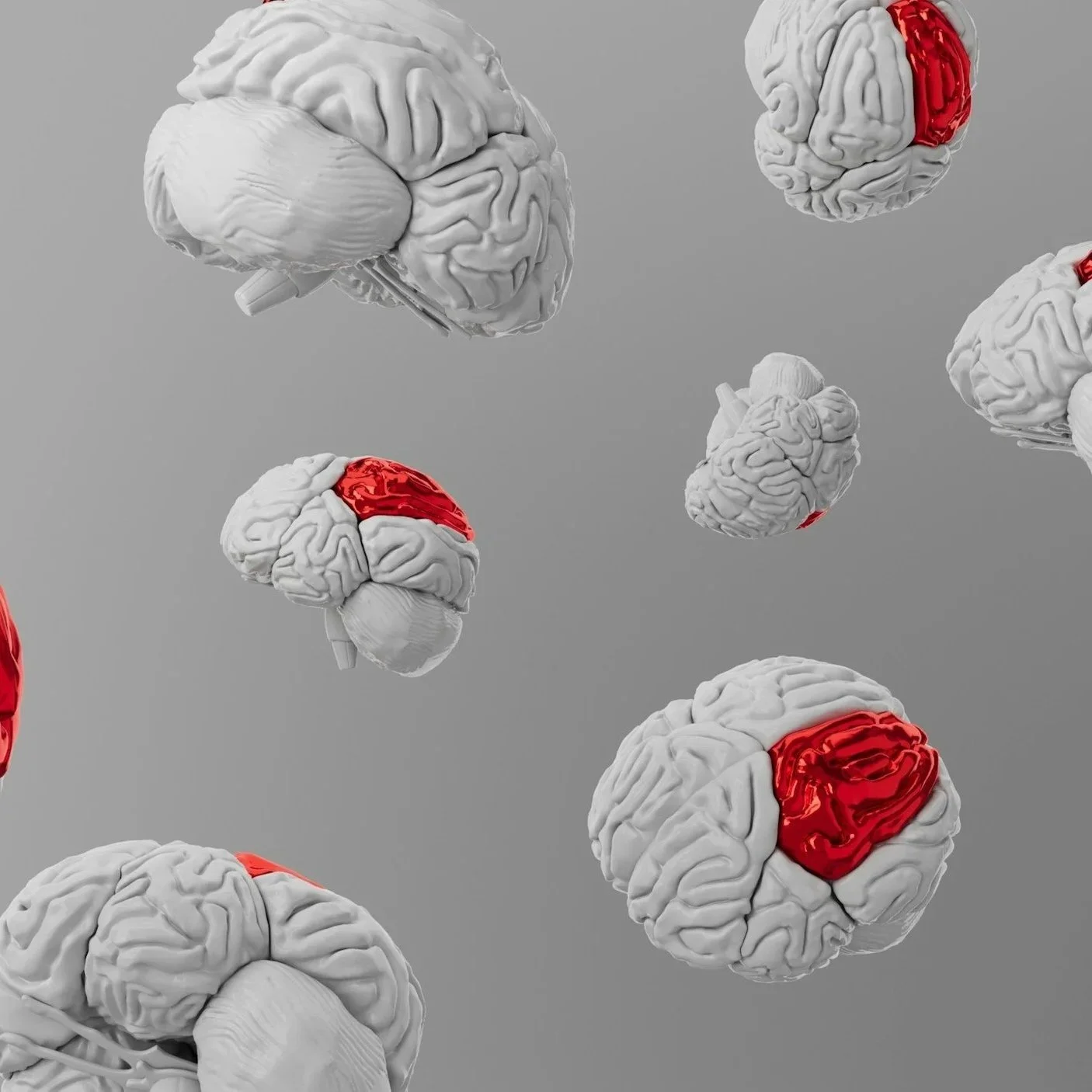
The prefrontal cortex, the part of the brain responsible for planning, task initiation, organization, and emotional regulation, does not work as efficiently under stress. When this happens, starting tasks feels harder, focusing feels nearly impossible, and small assignments feel huge.
From the outside, it may look like avoidance or apathy. Inside, the brain is saying, “This is too much right now.”
Yes, staring at a blank Google Doc counts as a stress response.
Executive Functioning and Motivation Are a Package Deal
Motivation does not operate alone. It relies heavily on executive functioning skills. These are the skills that help students start tasks, manage time, organize materials, and push through discomfort.
When executive functioning skills are strained, motivation usually disappears right along with them. This is especially common for students with ADHD, learning differences, anxiety, or simply a very full academic load.
A student can want to succeed, understand the material, and still feel completely stuck. That gap is not a lack of effort. It is a skills gap.

Why Pressure Rarely Fixes Motivation
When motivation drops, pressure often rises. More reminders. More consequences. Longer lectures. The classic “you just need to apply yourself” speech.
Unfortunately, pressure tends to make overwhelmed brains shut down even more. Increased stress further limits executive functioning, which means motivation drops again. It is a cycle that helps no one and exhausts everyone.

Motivation grows when students feel capable enough to try, not when they feel constantly behind.
The Difference Between “Won’t” and “Can’t”
One of the most important mindset shifts for families is understanding the difference between a student who won’t do the work and one who can’t access the skills needed in that moment.
Most students fall into the second category far more often than we realize.
When adults mislabel can’t as won’t, students internalize shame instead of learning strategies. Over time, this erodes confidence and reinforces avoidance.
When we address capacity instead of character, everything changes.
What Actually Helps Motivation Come Back
Motivation usually returns when overwhelm decreases. Some of the most effective, research-backed supports include:
• Breaking work into smaller, clearly defined steps
• Reducing the number of tasks competing for attention
• Providing structure instead of pressure
• Explicitly teaching executive functioning skills
• Creating small, achievable wins that rebuild confidence
Motivation follows success. Not the other way around.

A More Accurate and Helpful Way to Look at It
Reframing motivation struggles changes the conversation. Instead of asking, “Why are you not doing this,” the more productive question becomes, “What is making this feel hard right now?”
This approach does not lower expectations. It makes them reachable.
At AIM, we remind families of this often. Most students want to succeed. When motivation fades, it is rarely about effort. It is about overload.

A Final Thought to Sit With
When motivation disappears, it is easy to assume something is wrong with the student. But more often, what is missing is not effort. It is capacity.
Brains are not machines. They respond to stress, pressure, and overload in predictable ways. When we understand that, the narrative shifts. Students stop being labeled as lazy or unmotivated, and start being seen as learners navigating systems that may not always fit how they think, process, or manage demand. Progress does not come from pushing harder. It comes from pausing long enough to ask better questions. What feels heavy. What feels confusing. What feels impossible right now. When adults lead with understanding, students regain trust in themselves. And when students believe they are capable again, motivation has room to return. Sometimes the most meaningful change starts with a simple reframe.
Not, “Why is this so hard for you,” but, “What support would make this easier?”
That question alone can change everything.

What support would make this easier?
Sources and Research Foundations
• American Psychological Association, Motivation and Learning
• Harvard Center on the Developing Child, Executive Function and Self-Regulation
• Deci & Ryan, Self-Determination Theory
• Centers for Disease Control and Prevention, Stress and Cognitive Load in Children
• Barkley, R. A., Executive Function Research
• National Association of School Psychologists